
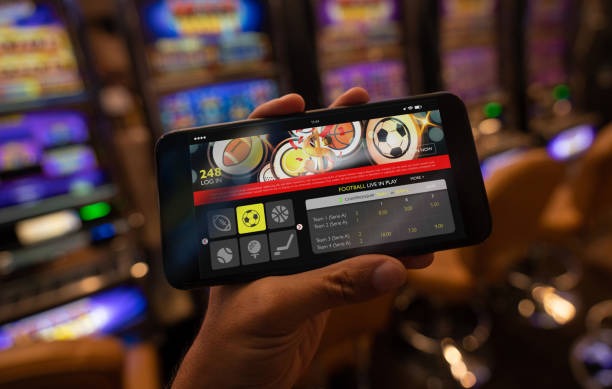
Online soccer betting in Malaysia has seen significant growth, and by 2026, it is expected to have evolved even further. The burgeoning interest in soccer, coupled with advancements in technology, has made online betting more accessible and popular among Malaysians. This review delves into the landscape of online soccer betting in Malaysia as projected for 2026, examining its evolution, regulatory environment, technological advancements, and the overall user experience.
The Malaysian government has historically maintained a cautious stance towards gambling due to cultural and religious considerations. However, recognizing the potential economic benefits and the inevitability of digital transformation, there have been discussions around implementing more structured regulations for online sports betting. By 2026, it is anticipated that clearer legal frameworks will be established to ensure safe and responsible gambling practices while curbing illegal operations.
Technological advancements play a crucial role in shaping the future of online betting in malaysia. With increased internet penetration and smartphone usage across the country, bettors can easily access various platforms offering diverse options for wagering on local leagues like the Malaysian Super League as well as international tournaments such as the English Premier League or UEFA Champions League. Enhanced security measures through blockchain technology are also expected to provide safer transactions and protect user data from potential breaches.
Artificial intelligence (AI) is another technological frontier that will likely revolutionize online soccer betting by 2026. AI algorithms can analyze vast amounts of data to predict match outcomes with greater accuracy than ever before. This not only enhances user engagement but also provides bettors with valuable insights to make informed decisions.
User experience remains at the heart of any successful online platform. By 2026, Malaysian bettors can expect highly personalized experiences tailored to their preferences through machine learning technologies that track behavior patterns over time. Additionally, virtual reality (VR) could offer immersive experiences where users feel like they are partaking in live matches from the comfort of their homes.